
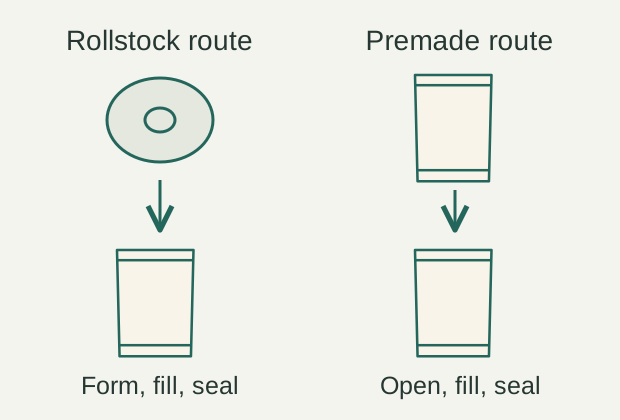
Choosing the bag-making route too late can leave the equipment brief tied to the wrong material input. Start with the required finished package: VFFS forms the bag from rollstock, while premade-pouch equipment receives a bag that has already been converted.
Use VFFS as the first candidate when the required pack can be formed from a web on the proposed system. Start with premade-pouch handling when the specified converted pouch and its features are the fixed input. In either case, qualify the product dose, seal area and material sample together. This comparison uses public manufacturer descriptions, not our own machine tests.
Specify the finished pack first
The route must deliver the agreed geometry, opening and closure requirements. A pouch silhouette in a presentation is insufficient: obtain a sample or a controlled drawing with the actual material construction and required pack features.
| Input or item | Value or source | Why it matters |
|---|---|---|
| Required pack | Approved sample and drawing | Defines geometry and consumer-use features |
| Material supply | Roll specification or converted pouch specification | Defines what the machine receives |
| Product and dose | Representative product and target specification | Defines the filling and contamination-control task |
| Seal acceptance | Agreed product/pack checks | Defines a successful finished pack |
| Format range | Actual planned variants | Identifies which changes need a demonstration |
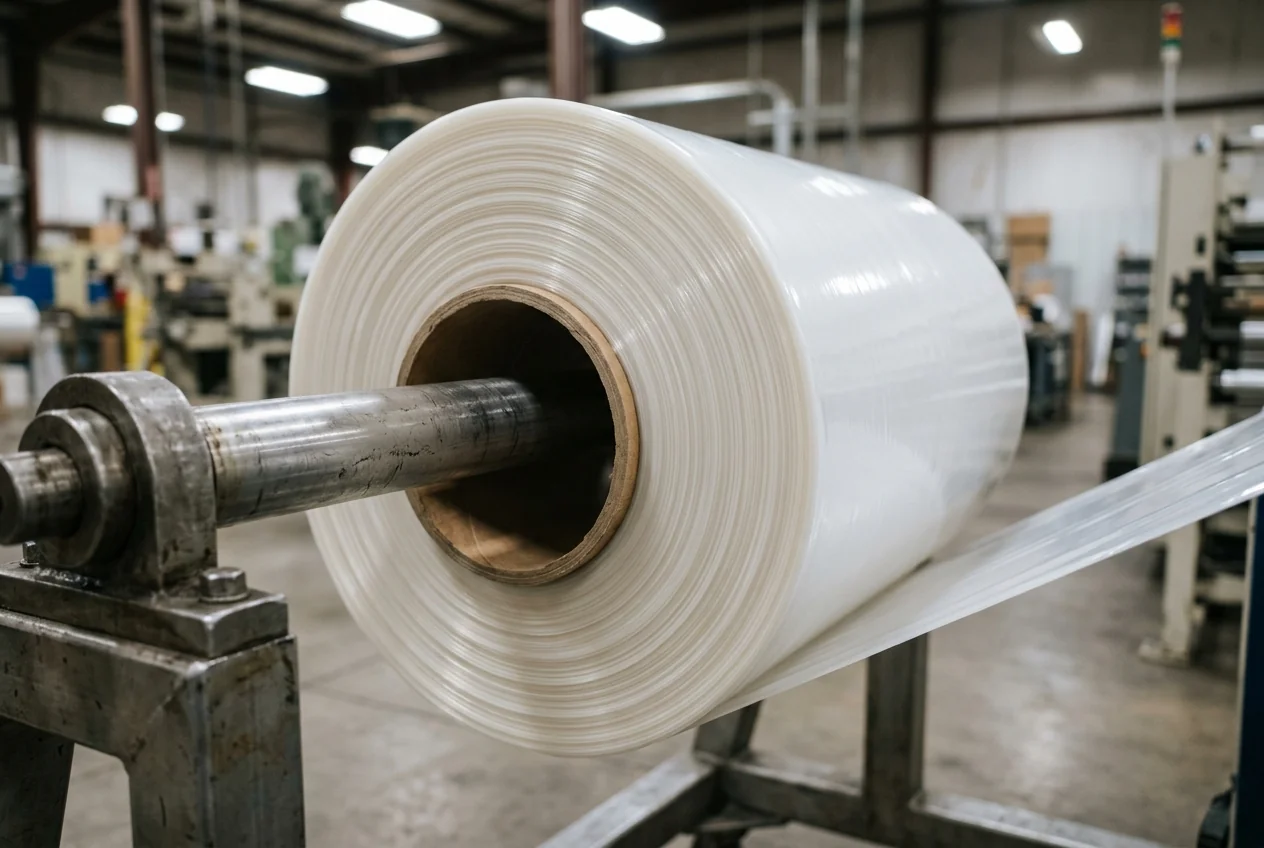
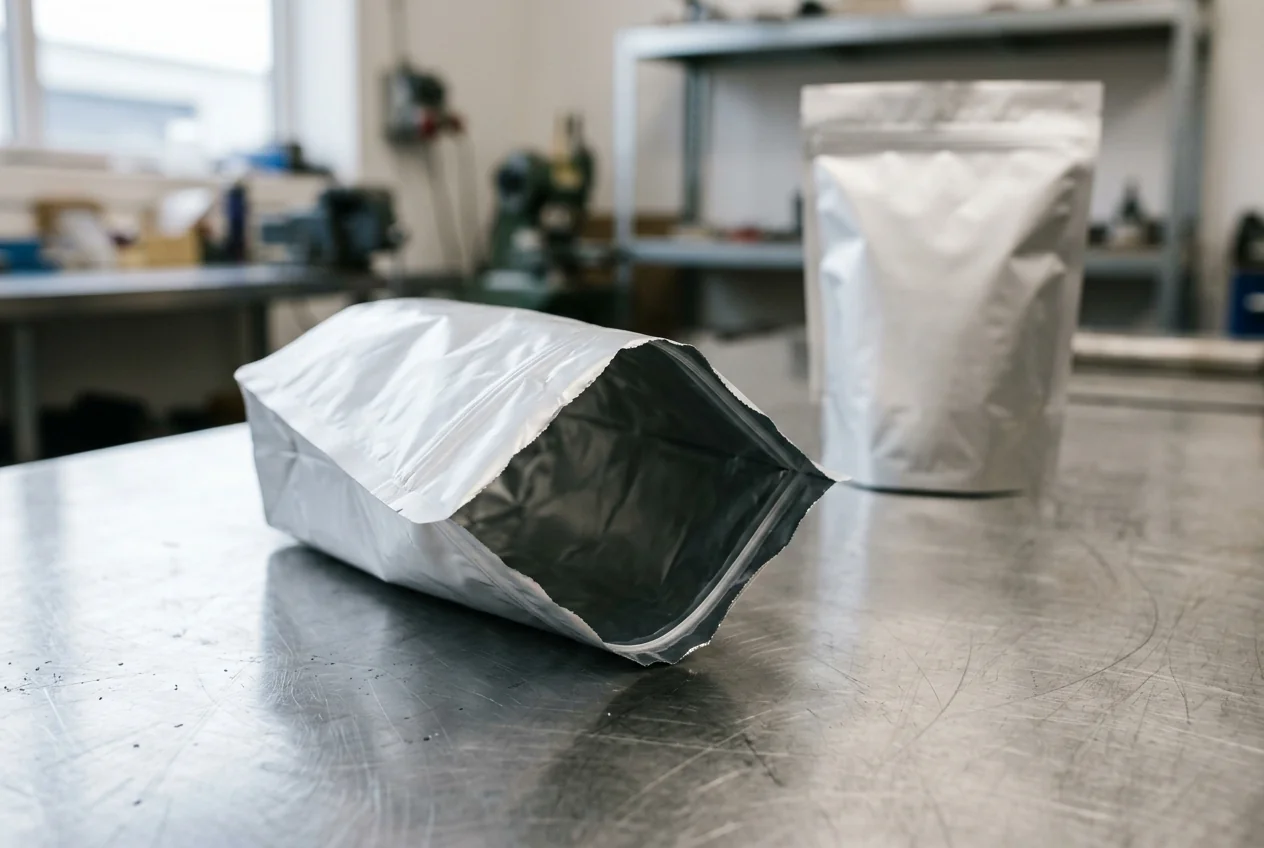
Viking Masek’s VFFS explanation describes a web passing over a forming shoulder and tube before filling and sealing. Its premade-pouch page states that the system fills and seals supplied pouches without rollstock. These are distinct material routes, not interchangeable names for the same input.
Compare the work done on the packaging material
A VFFS proposal must address web handling and forming for the chosen pack. A premade-pouch proposal must address handling and presenting the supplied pouch for filling and closure. Both still need a suitable product delivery system and acceptable seals.
| Decision factor | VFFS route | Premade-pouch route | Evidence to obtain |
|---|---|---|---|
| Material arriving at the machine | Continuous rollstock | Individual converted pouches | Supplier-controlled material specification |
| Pack formation | On the proposed packaging system | Before filling, at pouch conversion | Finished-pack sample and forming/handling demonstration |
| Format change | Web/pack geometry and applicable forming parts | Supplied pouch size and applicable handling adjustments | Old-to-new transition on actual samples |
| Product dosing | Product-matched filler or scale | Product-matched filler or scale | Fill and seal-zone observations |
| Material defects to observe | Tracking, forming, registration and seals | Pouch presentation, opening and closure | Reject log with retained samples |
| Commercial comparison | Film, setup and accepted output | Pouch supply, handling and accepted output | Same order assumptions and cost boundary |
Do not select a route solely because one supplier lists a higher nominal speed. Establish how that rate relates to your dose, material and pack geometry, and compare accepted output over an agreed window.
Use the format change to expose a weak fit
Choose representative extremes and difficult transitions from the intended range. Record what hardware is replaced, which settings change and what material is consumed before acceptance. A demonstration on one easy sample does not qualify all variants.
For VFFS, include the actual film construction in the trial. The film friction record helps describe contacting faces and observations when tracking or drag becomes an issue. A premade-pouch trial needs the actual converted pouch, including how it is delivered and stored for presentation to the machine.
For either route, include the product. A machine cycling without product can show part of the handling task; it cannot establish dose behaviour or the condition of the filled seal zone. Keep dry-cycle observations separate from production observations.
Make a conditional decision
Choose the route with a demonstrated path to the specified pack and a manageable transition to the next required format. If the pack is still open to redesign, evaluate that change explicitly rather than silently changing the acceptance requirement to fit a machine.
| If the project has this condition | Start here | Resolve before committing |
|---|---|---|
| A fixed converted pouch with required features | Premade-pouch trial | Presentation, opening, fill and closure on that pouch |
| A pack geometry confirmed as formable from the selected web | VFFS trial | Forming, tracking, dosing and sealing together |
| Frequent geometry changes | Compare transition records on both routes | Parts, adjustment work and accepted restart output |
| Uncertain material construction | Material qualification first | Converter and machine supplier agreement on samples |
A finished trial record should say which product, pack and material combination passed, what remained unresolved and what a change to any of those inputs would require. That is a stronger selection basis than a general winner between machine categories.
Methods and sources
The physical route descriptions come from Viking Masek’s published VFFS guide and premade-pouch page, read with local archived full text. The decision matrix and trial approach are editorial recommendations. We supply no universal rate, package-size range, cost advantage or material-sustainability conclusion. Sources were retrieved on 16 October 2026; the machinery subject guide links this selection task to related checks.
Source documents read:
- How do Vertical Form Fill Seal Machines Work? (retrieved 16 October 2026).
- Premade Pouch Fillers (retrieved 16 October 2026).